PREMIUM PAYMENTS FLOW
End-to-end design of a transactional payment surface through a platform migration, balancing compliance requirements, design system integrity, and member experience.
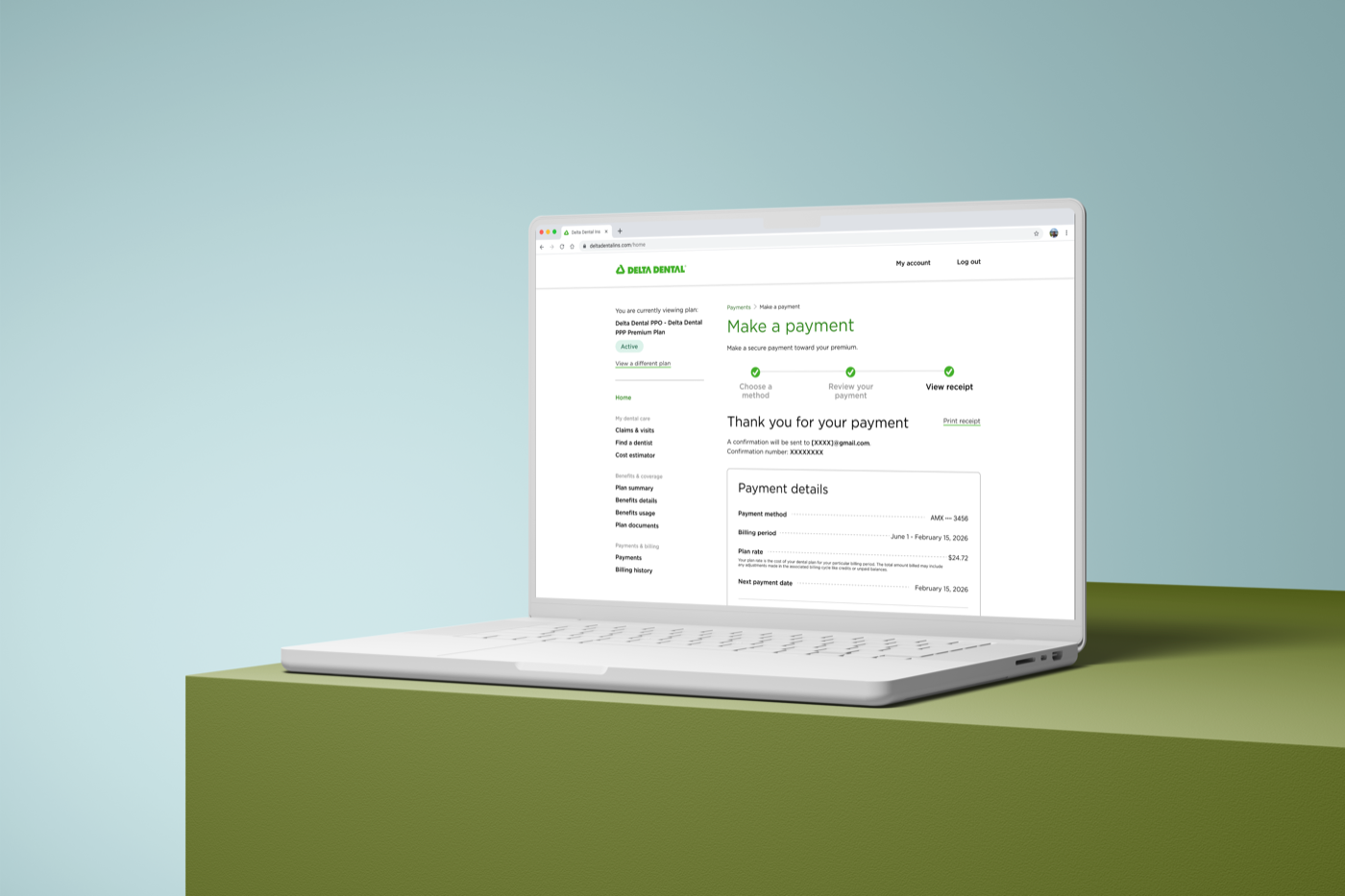
The Problem
The company was managing premium payments on its own platform. As compliance requirements grew, the decision was made to migrate to a third-party processor. The migration created an opportunity to redesign the payments experience within a new set of technical and compliance parameters.
The Approach
Design the payments flow to embed the third-party processor within the existing design system as cohesively as possible, meet compliance requirements, and use existing member research to improve the experience within the available scope.
Process
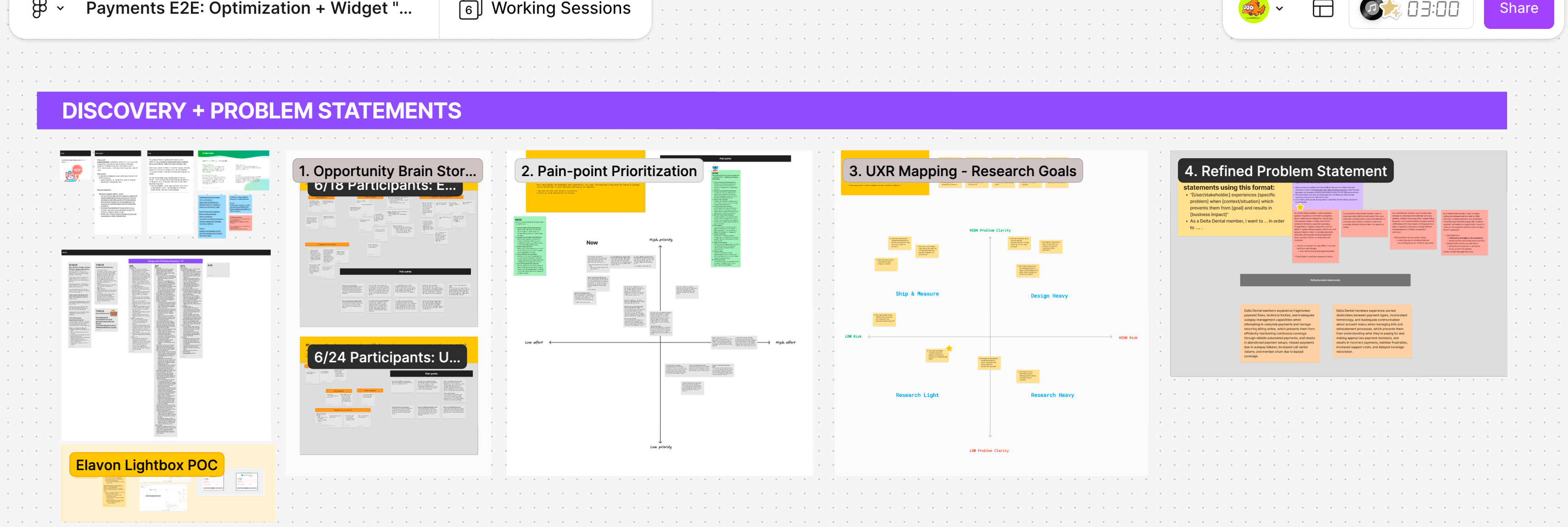
Audited the existing flow against compliance requirements and reviewed prior member research to define the scope of the redesign.
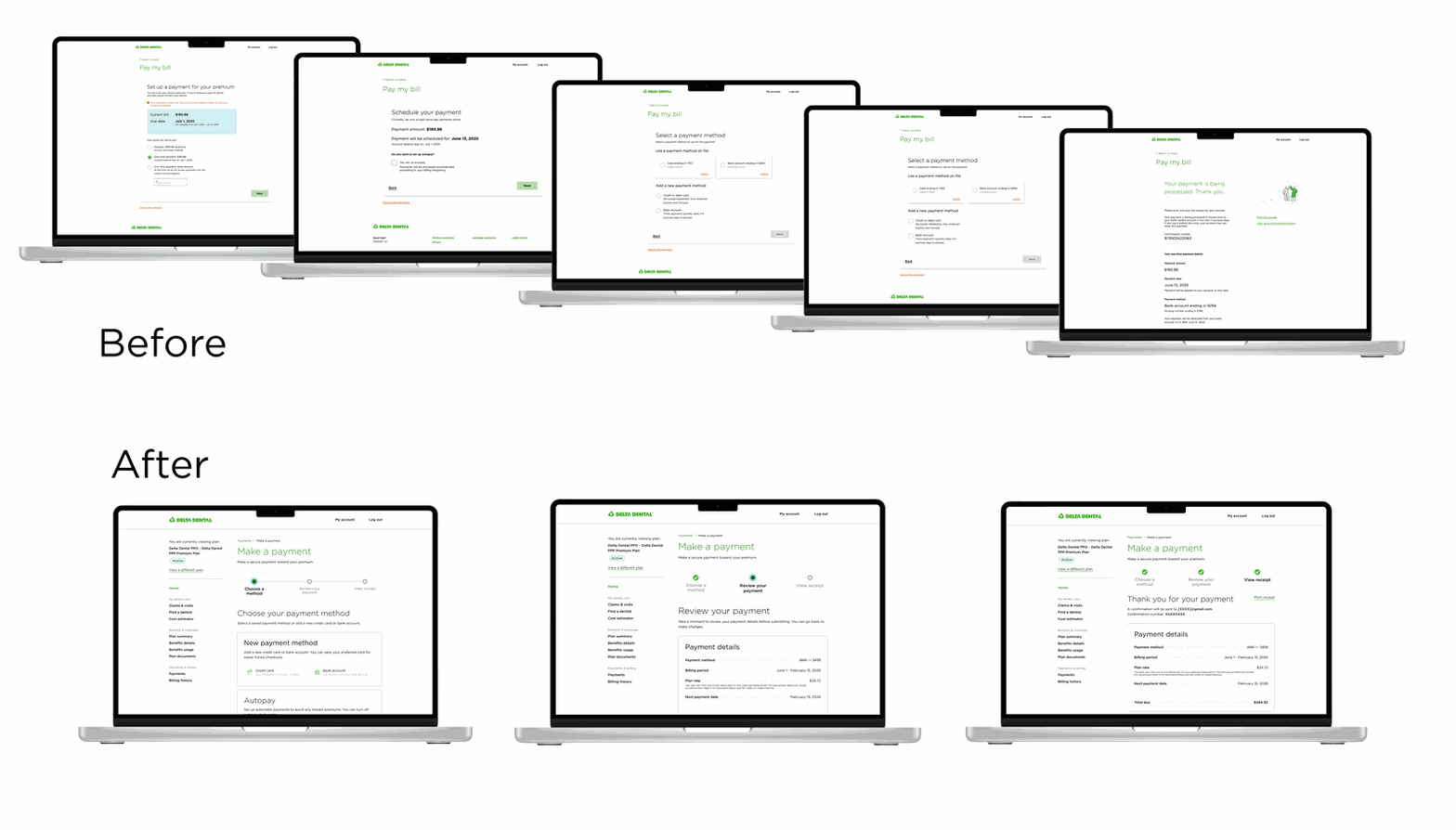
Reduced the Make a Payment flow from five steps to three. Prior member research had identified flow length as one of three root causes of the 31% completion rate. Simplifying the path was the highest-leverage change available within the compliance constraints.
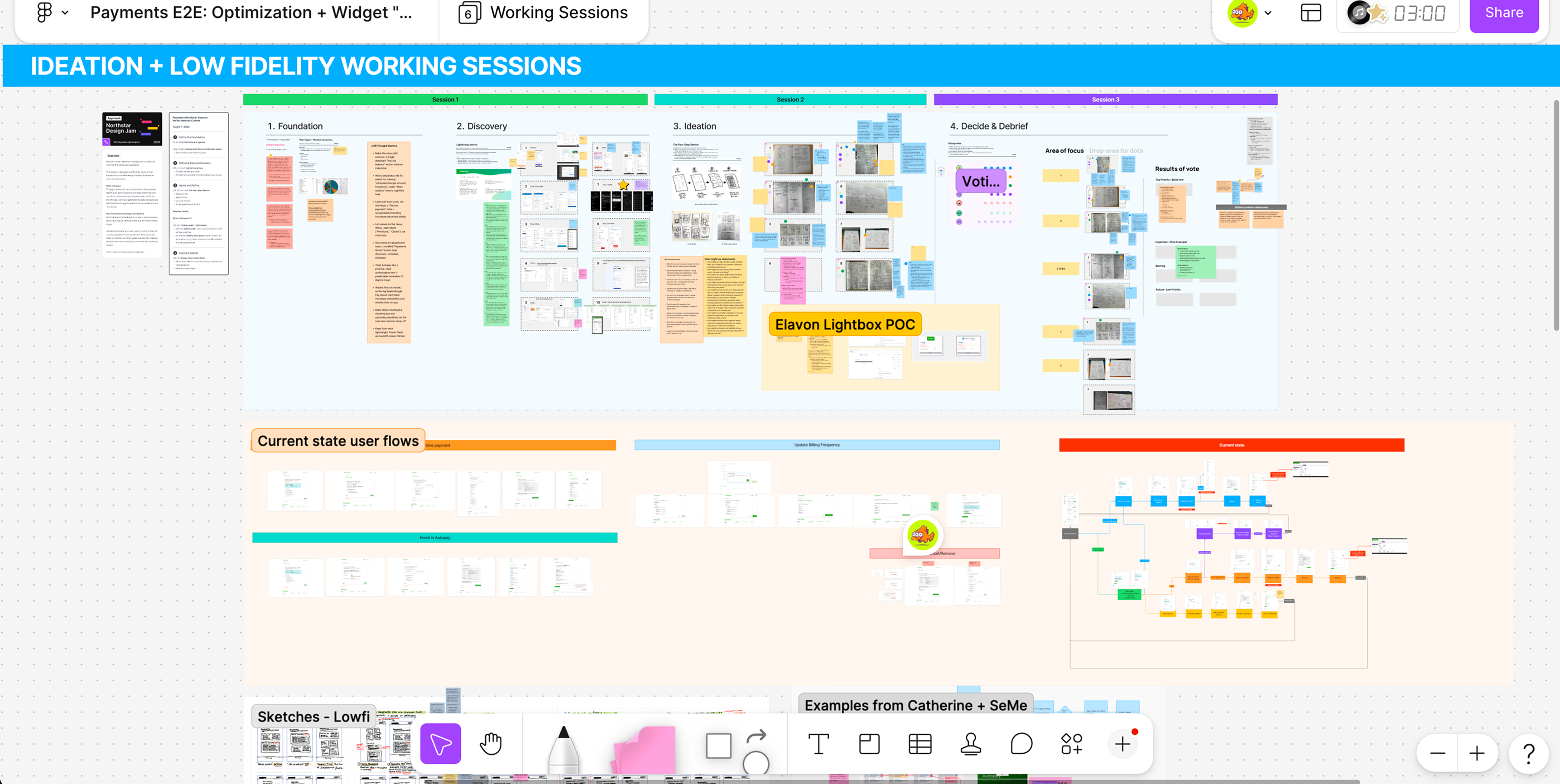
Designed the payment flow end-to-end, using member research to inform decisions within scope and integrating vendor-defined components as cohesively as the system allowed.
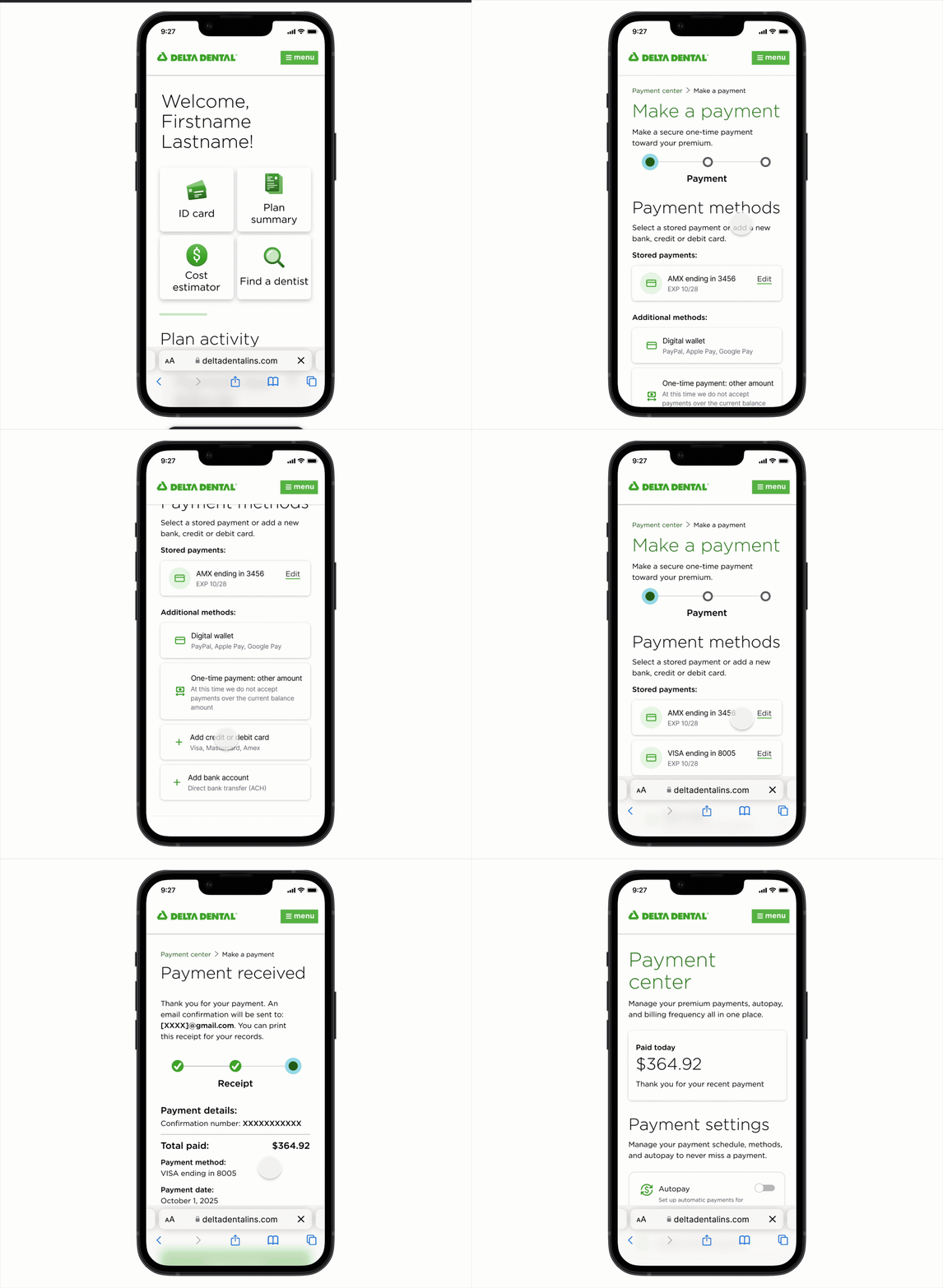
Partnered with the research team on usability testing with Direct Individual members. Findings informed revisions before handoff; accessibility was validated against WCAG throughout, not as a final gate.
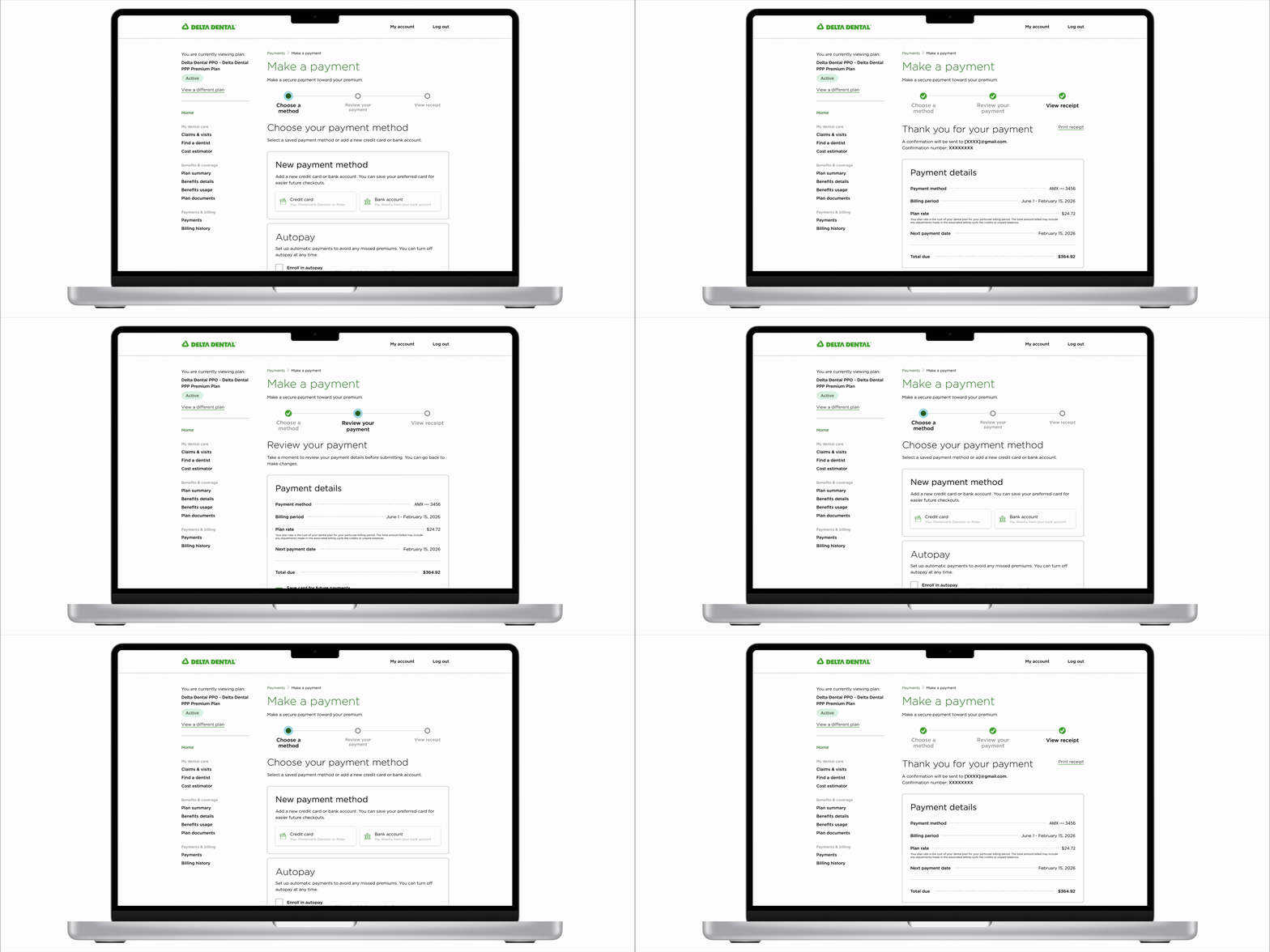
Delivered production specs and collaborated with engineering during build to ensure the vendor integration matched the intended design.
Key Decisions
Tradeoff: The vendor was already in use on another product line, making cost-of-change a key consideration. The case for accessibility was framed around compliance requirements and member impact, which led to alignment on the path forward.
Tradeoff: The vendor's customization options were limited, making cohesive embedding an investment in design and engineering time. The more efficient path was minimal integration. The chosen approach prioritized a consistent member experience, with the additional upfront work treated as a foundation for future releases.
Tradeoff: Compliance requirements defined which parts of the flow were fixed for this release. Documenting those boundaries clearly transformed them into structured opportunities: a ready brief for any future vendor evaluation or scope expansion.
Outcomes
The design delivered a WCAG 2.2 compliant payments flow embedded within the design system, with the third-party processor integrated as cohesively as its constraints allowed. Third-party limitations were formally documented to inform any future vendor evaluation. Member experience gaps that could not be resolved in this release were added to the product backlog with stakeholder alignment, ensuring they remained visible and prioritized for future work.
Reflection
The most significant insight from this project was that compliance requirements and member experience improvements are not competing priorities. Both can inform a stronger foundation for future investment. The most durable output was the constraint map, which gave the team a clear, shared picture of what was addressed in this release and what remained as a structured opportunity for the next one.