LOTONE.ONLINE
Open-source image processing suite for the low-res web
Objective
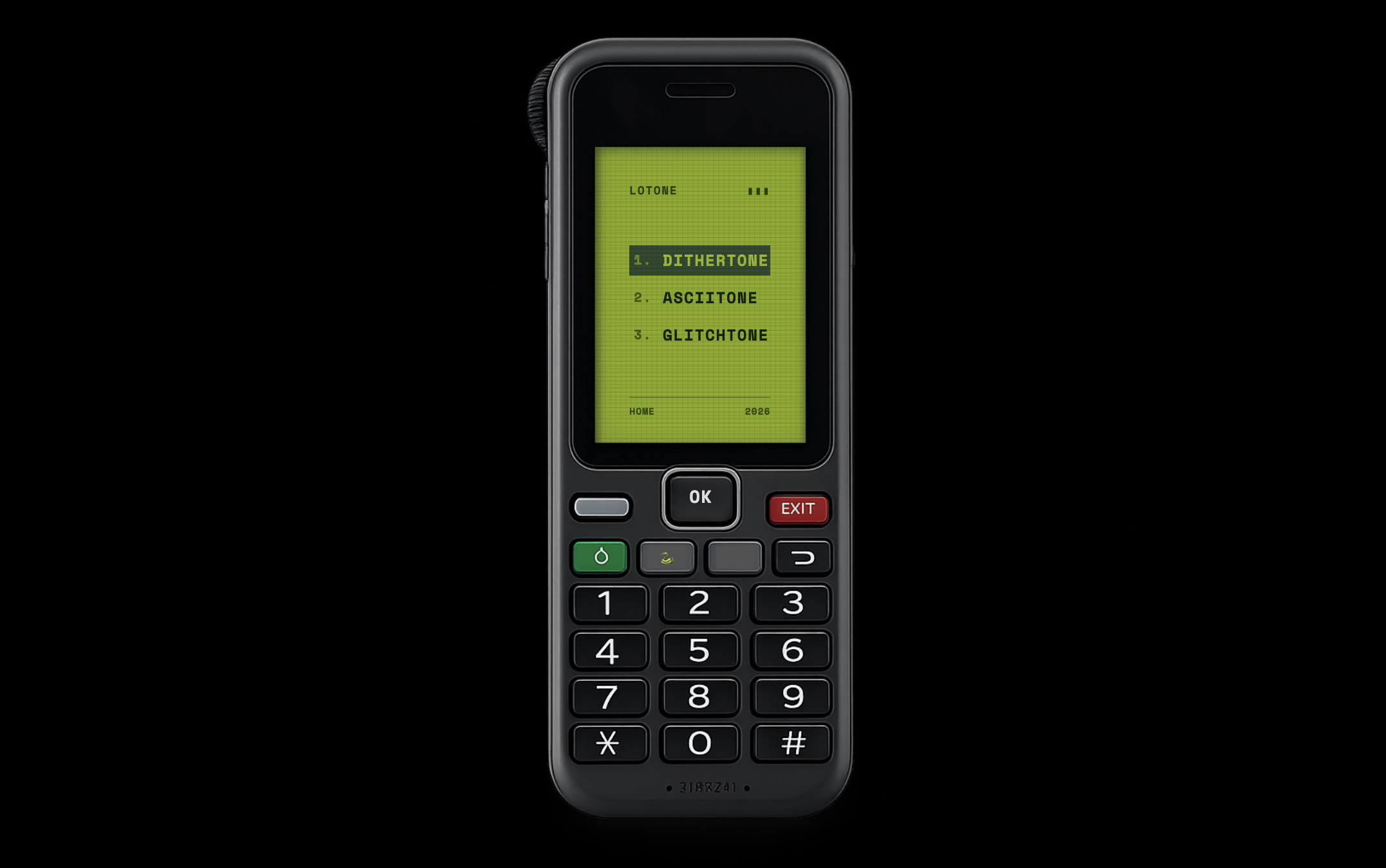
LOTONE is a suite of open-source, browser-based image processing tools wrapped in a retro Nokia phone interface. It celebrates low-resolution aesthetics — dithering, ASCII, glitch — as a legitimate visual language. No installations, no accounts, no paywalls. Just open tools that run anywhere and belong to everyone.
Approach
Every tool runs entirely in the browser using the Canvas API for real-time pixel manipulation — no server, no uploads, no data leaving your device. The Nokia interface isn't just aesthetic: it constrains the interaction surface deliberately, keeping each tool focused and the experience playful. Each app is its own repo, independently deployable, and fully accessible via keyboard and touch.
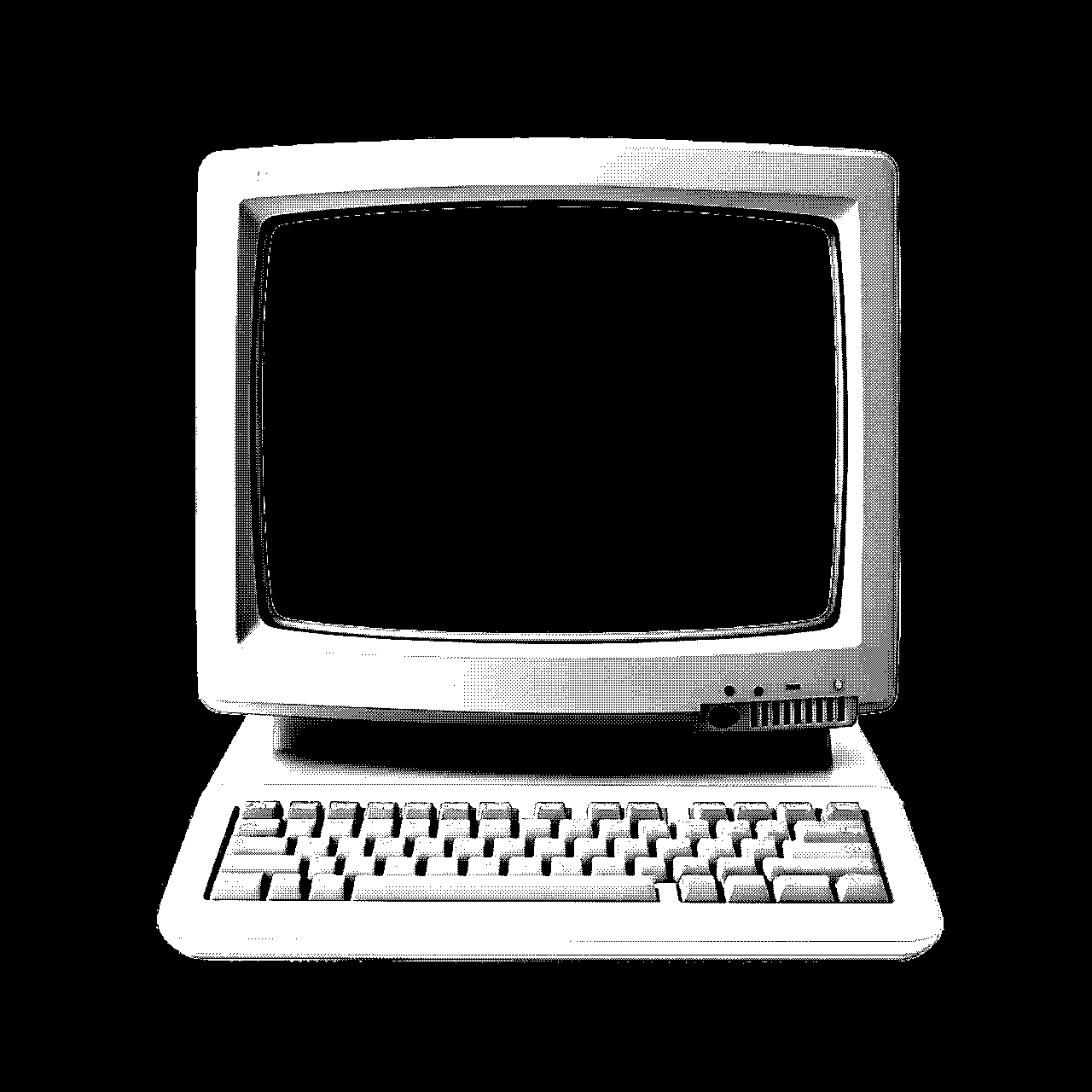
Halftone & dithering with 7 algorithms, tone mapping, undo/redo, multi-format export — PNG · JPEG · SVG · GIF
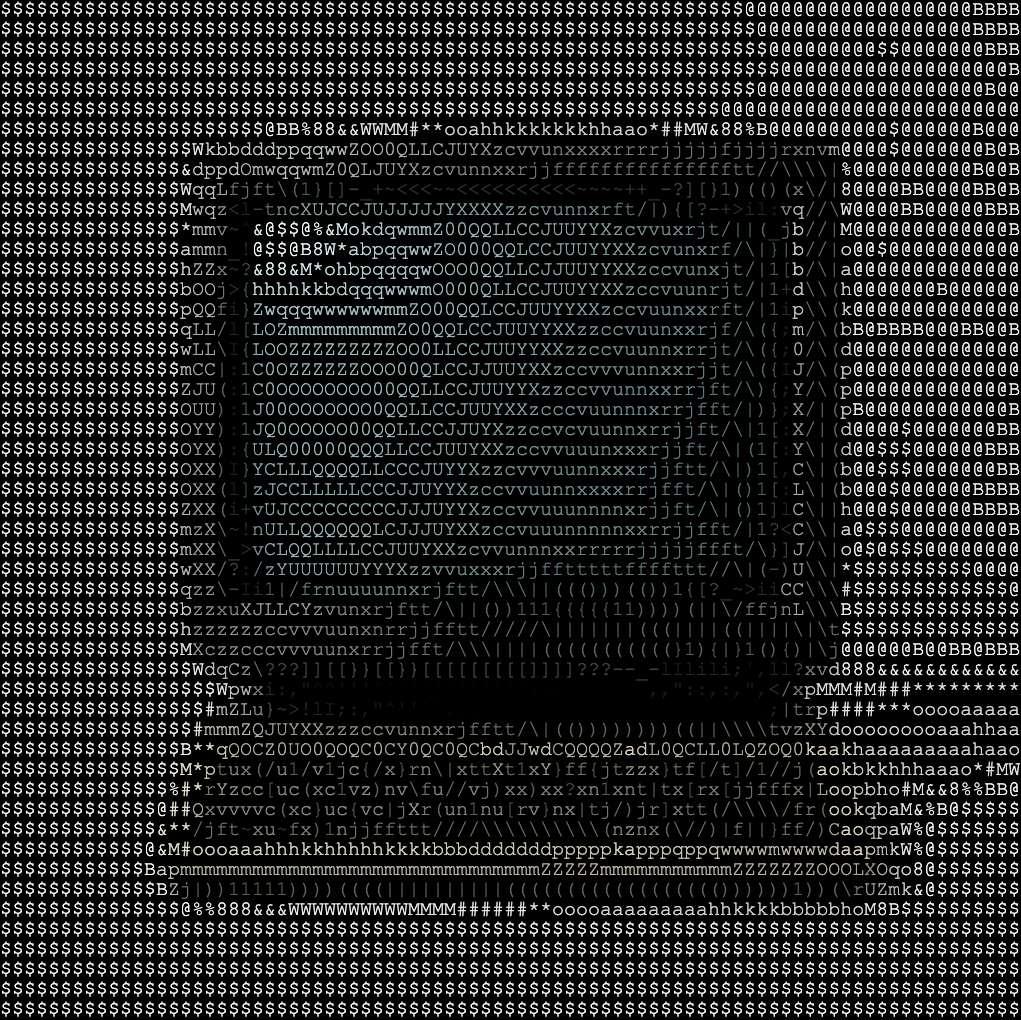
ASCII art generator with customizable character sets, font controls, TXT & PNG export
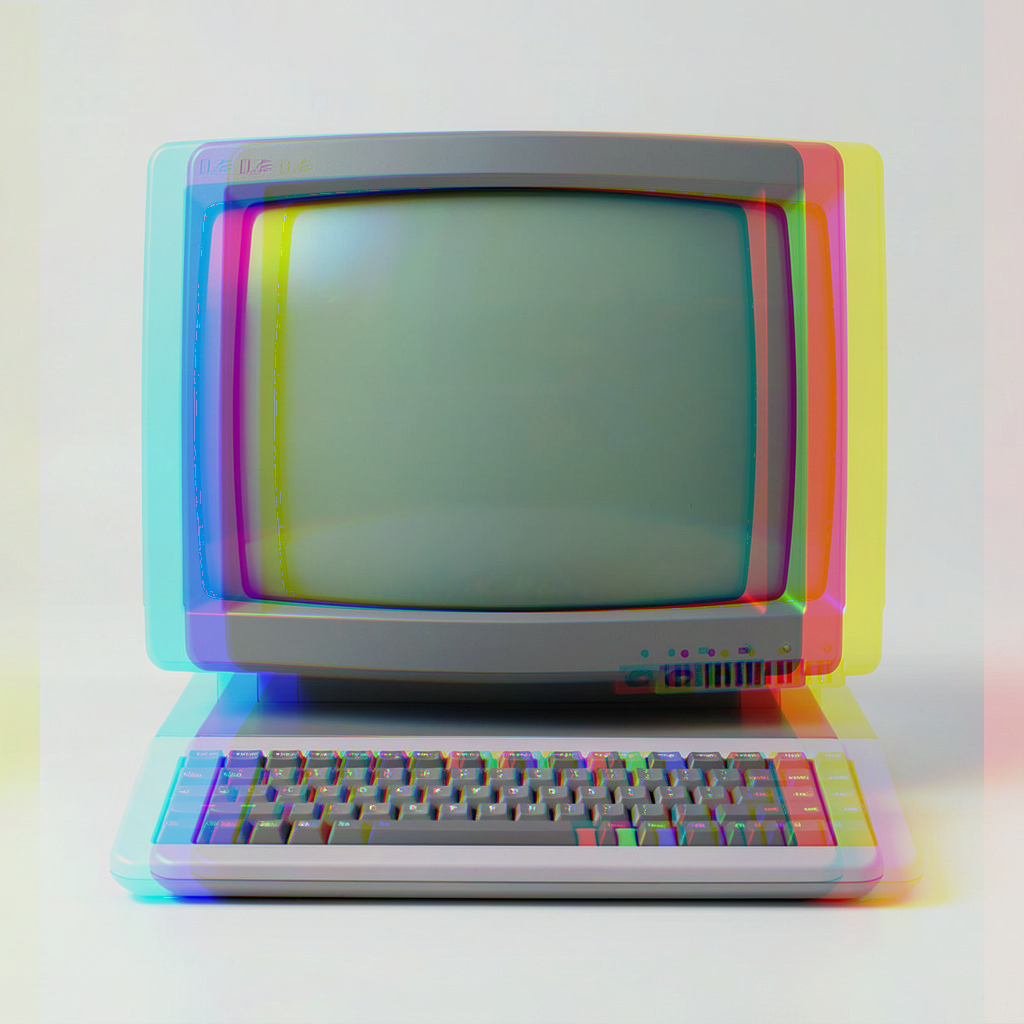
Glitch art tool with multiple effect types, intensity controls, real-time preview
Built
Interactive Nokia-style phone interface with keyboard & touch navigation
4 repos on Codeberg, all open-source · 4 deployed apps
Full accessibility — ARIA, keyboard nav, semantic HTML
Complete roadmap & changelog documentation
Impact / Reflections
Shipped 3 tools across 4 open-source repos, all live. The Nokia interface was an opportunity to design for delight — it gave each tool a personality and kept the interaction surface focused without feeling limiting.
Each tool was conceived independently, which is why they live in separate repos. I was intentional about sharing the same visual language across all three so that connecting them into a unified design system in the future would be a natural next step rather than a rebuild. That's the direction I'm heading.
Next up: expanding GLITCHTONE with webcam input and more effect types, bringing ASCII-TONE to v2 with animation export, and unifying all three tools under a shared design system.